

Protection Collaborative
Product Owner, UX/UI Designer, Lead Researcher
Role
2+ years, Fall 2023 - present
Duration
Tools
Figma, Salesforce, Microsoft Suite
Protection Collaborative is a network of organizations around the world determine to connect, cast vision, share data and strategies, and find the best ways to protect people living in poverty from Modern Slavery and Violence Against Women & Children (VAWC).
Protection Collaborative manifests as an enterprise SaaS for global anti-human trafficking casework and interventions. This data management platform is secure, accessible, and intuitive, based on years of human-centered design work in three regions around the world.
Note: samples provided are limited due to NDA.
Context
Site

Problem
International Justice Mission aims to protect 500 million people in poverty from violence by the year 2030. Working with hundreds of implementing partners (grassroots non-governmental organizations) all around the world, there is a critical need to effectively and securely exchange data and communicate resources between partners and between partners and IJM.
Currently, team members are utilizing WhatsApp, Facebook, email, and various other tools as means of exchanging sensitive data. Many of these options are insecure, unencrypted, and/or
Design constraints are complex. The system must:
protect personally identifying information (PII) of all survivors and perpetrators equally across contexts
comply with data residency laws (like GDPR in Europe and DPDP in India)
be accessible to users of all different data literacy levels, tech literacy levels, and roles from case work to legal action.
allow for offline functionality for the many regions in which work occurs outside of reliable internet and cellular service zones
be available in all languages in which implementing partners work, translating between languages where necessary
cooperate with the current IJM internal database, Justice Data Solution, which is a Salesforce-based SaaS.
How might we collaboratively design a data management platform to allow global team members to securely exchange anti-human-trafficking and anti-violence data?
Process
Pilot in South Asia
December 2023
March 2024
June 2024
September 2024
R+D in South Asia
R+D in Asia Pacific
R+D in Latin America
Assessment of Current State
Prior to my arrival on the Protection Collaborative project, IJM had created a pilot version of the SaaS based on their existing internal software. It became quickly apparent through user testing that this design was not up to the task of easing the collection of millions of data points from global implementing partners. After conducting a pilot assessment that outlined in detail the rationale for redesign, I spearheaded a human-centered design (HCD) research project to conduct thorough discovery with potential customers and intimately understand their needs.
Discovery and Co-Design
We began by conducting discovery sessions comprised of focus group interviews and participant observation followed by co-design workshops. I designed a research protocol that a global team executed in the regions of South Asia and Asia Pacific in the months that followed. The final sessions in Latin America were conducted in Spanish by myself and a team of 2 facilitators from our global team as well as 3 to 5 in-country staff in each location we visited.
Insights and Artifacts
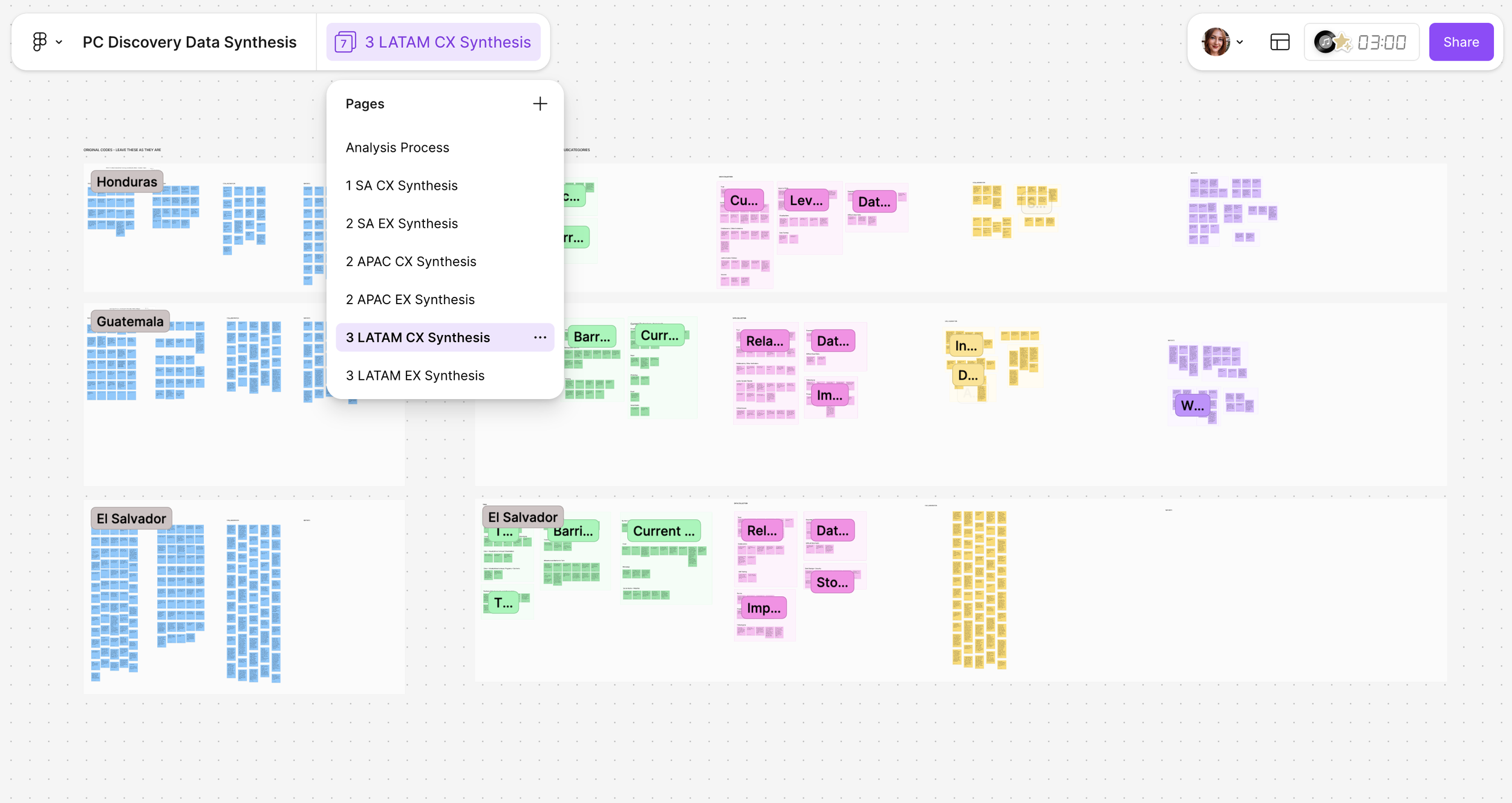
Following the 6-month international research tour, every sticky note, every audio recording, every comment was digitally transcribed and gathered into Figma where they were organized first within their respective source materials in an axial open-coding process. I led the research team in producing sets of insight statements, journey maps, personas, and prototypes for each region.
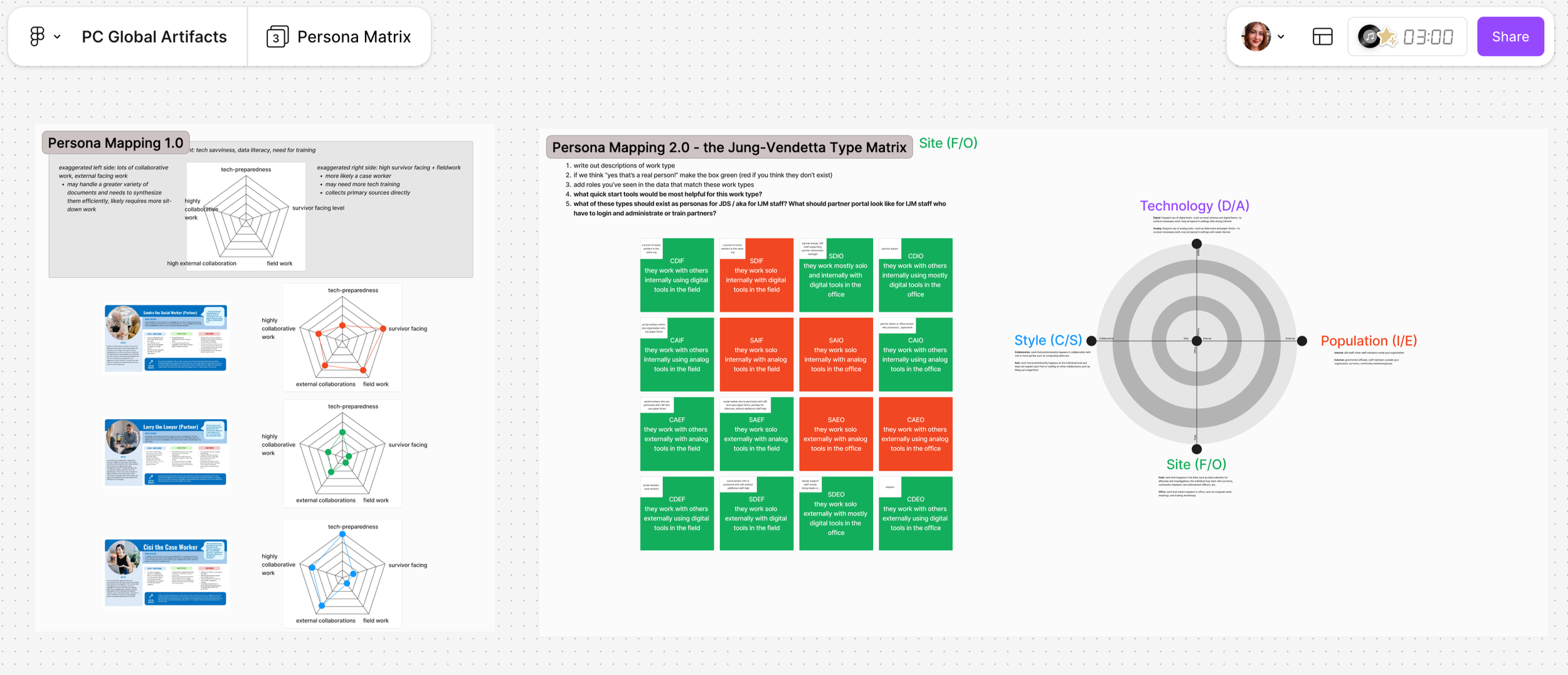
Then, we synthesized these to develop a cohesive persona matrix, cross-cultural insights, and a cohesive, collaboratively designed prototype. I cast the vision for a 7-phase, 8-year product evolution, comparing each iteration to adding a floor to a skyscraper.
Design Finalization and System Development
Based on dozens of prototypes developed by our global collaborators, I drafted an initial design in Figma. This design was reviewed by my team and iterated on. Since we did not have an internal dedicated product team to develop the design, we hired an external consulting company to do development. We followed an HCD x Agile process to break the prototype out into user stories, which were collected into relevant epics and broken up into sprints by priority. Development involved significant custom coding to transform the generally user-frustrating Salesforce default into a beautiful, clean interface with simple interactions for our user base.
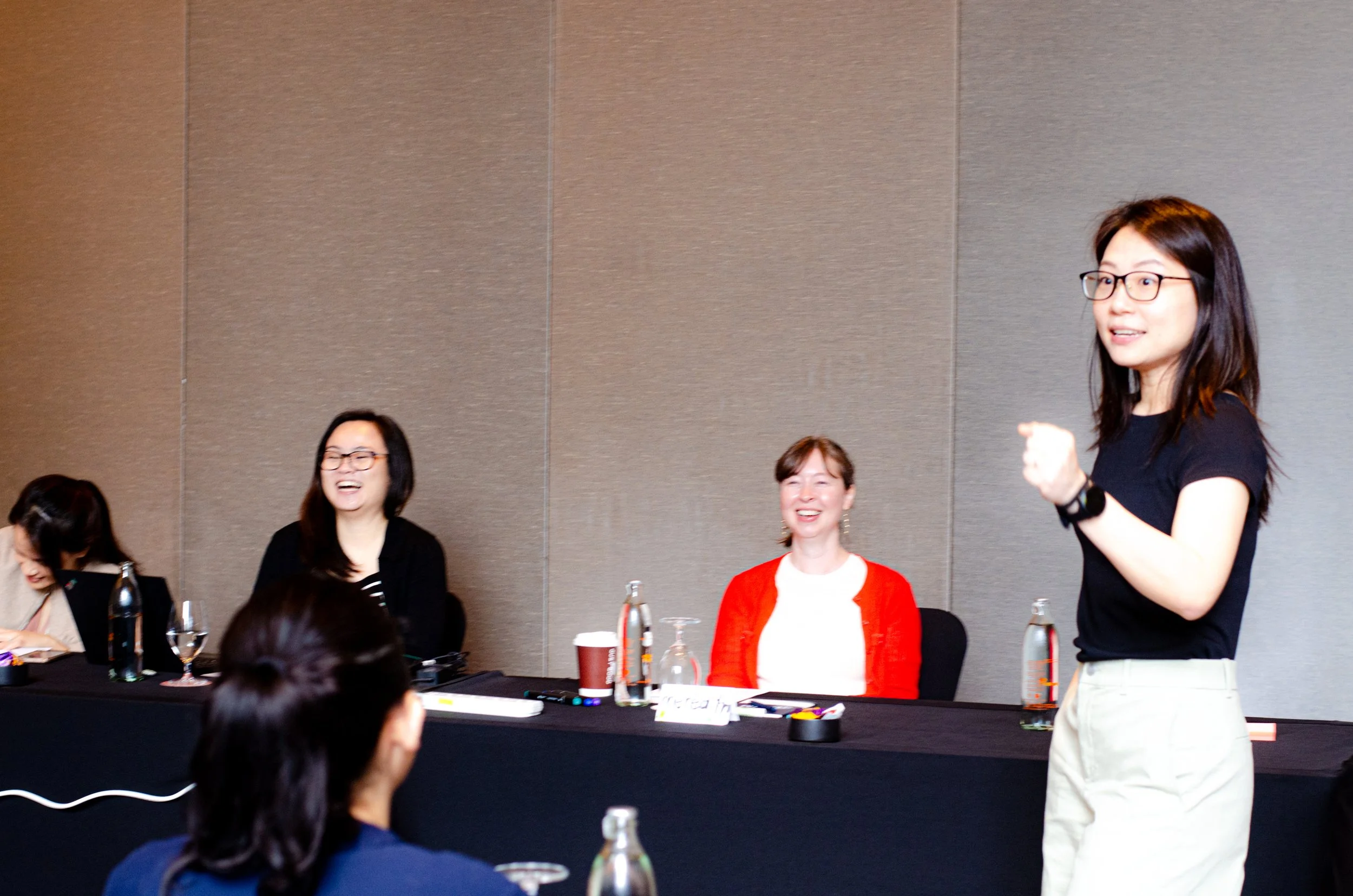
Training Our First Customers in Asia Pacific Region
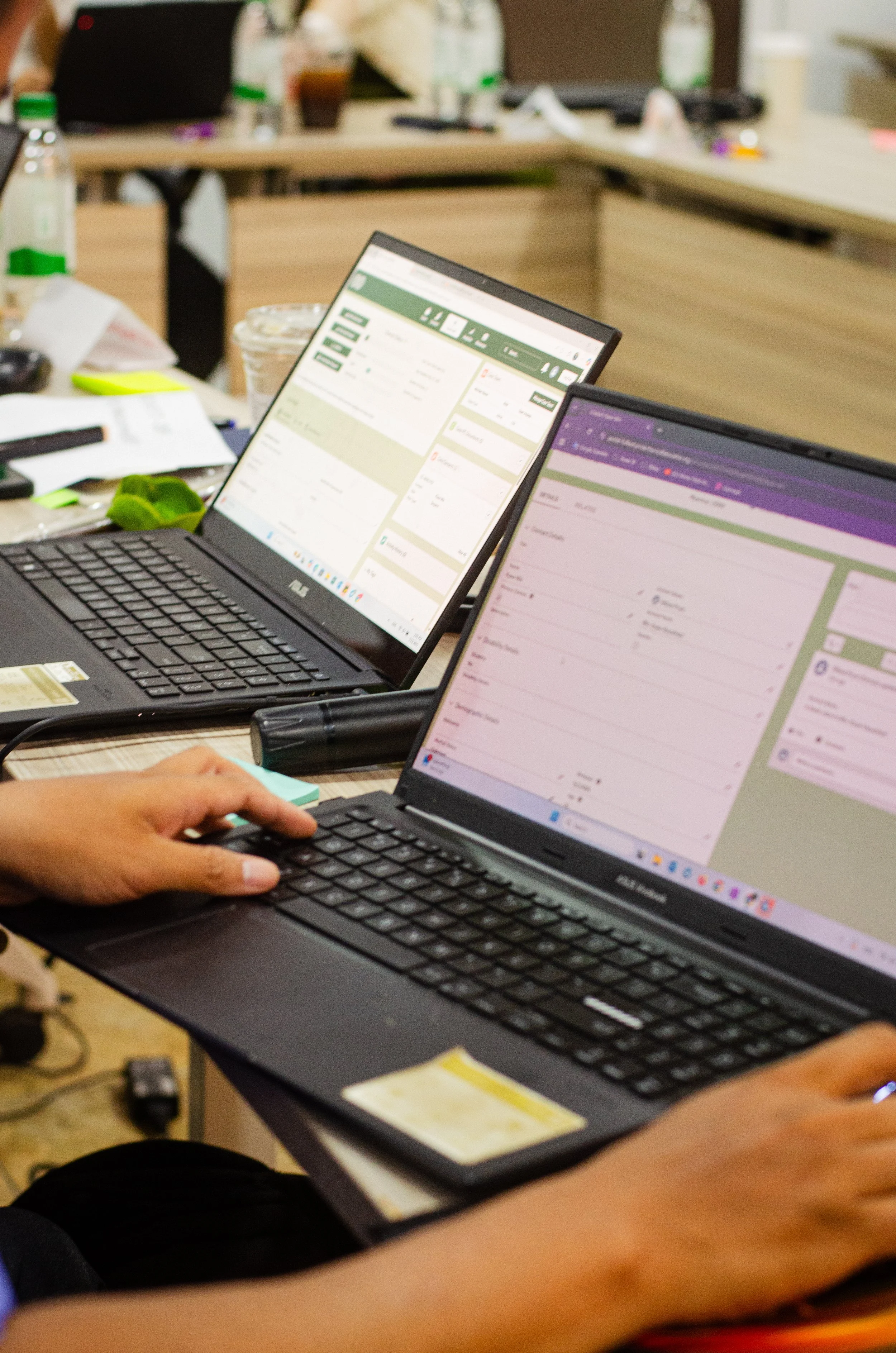
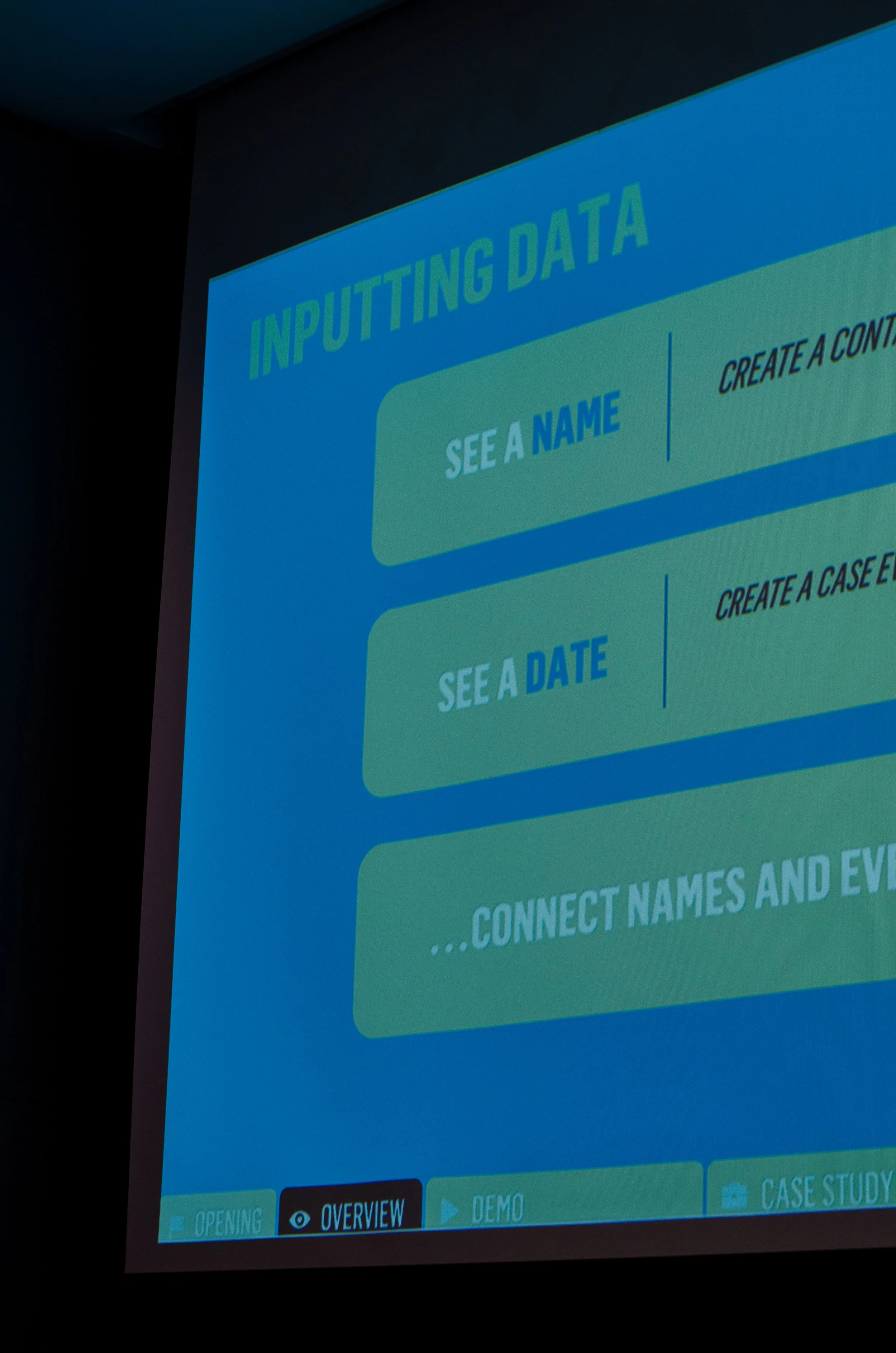
We began our training of IJM staff and of implementing partners with a tour through Thailand, Malaysia, Indonesia, and Cambodia. In each country, we hosted a 1-day workshop where the first half was spent on a hands-on learning experience based on a case study, allowing customers to practice using Protection Collaborative for themselves in a realistic context.
The second half of the workshop involved a human-centered design workshop where we invited participants to envision an even bigger and better future for what PC could enable them to do. We asked them to sketch, storyboard, and sticky note their dreams and ideas so that we could leverage them for future design iterations. The system was well received and trainings received very positive feedback.
November 2024
Synthesis
November 2024
Design and Development
May 2025
Rollout
Product
Public Website
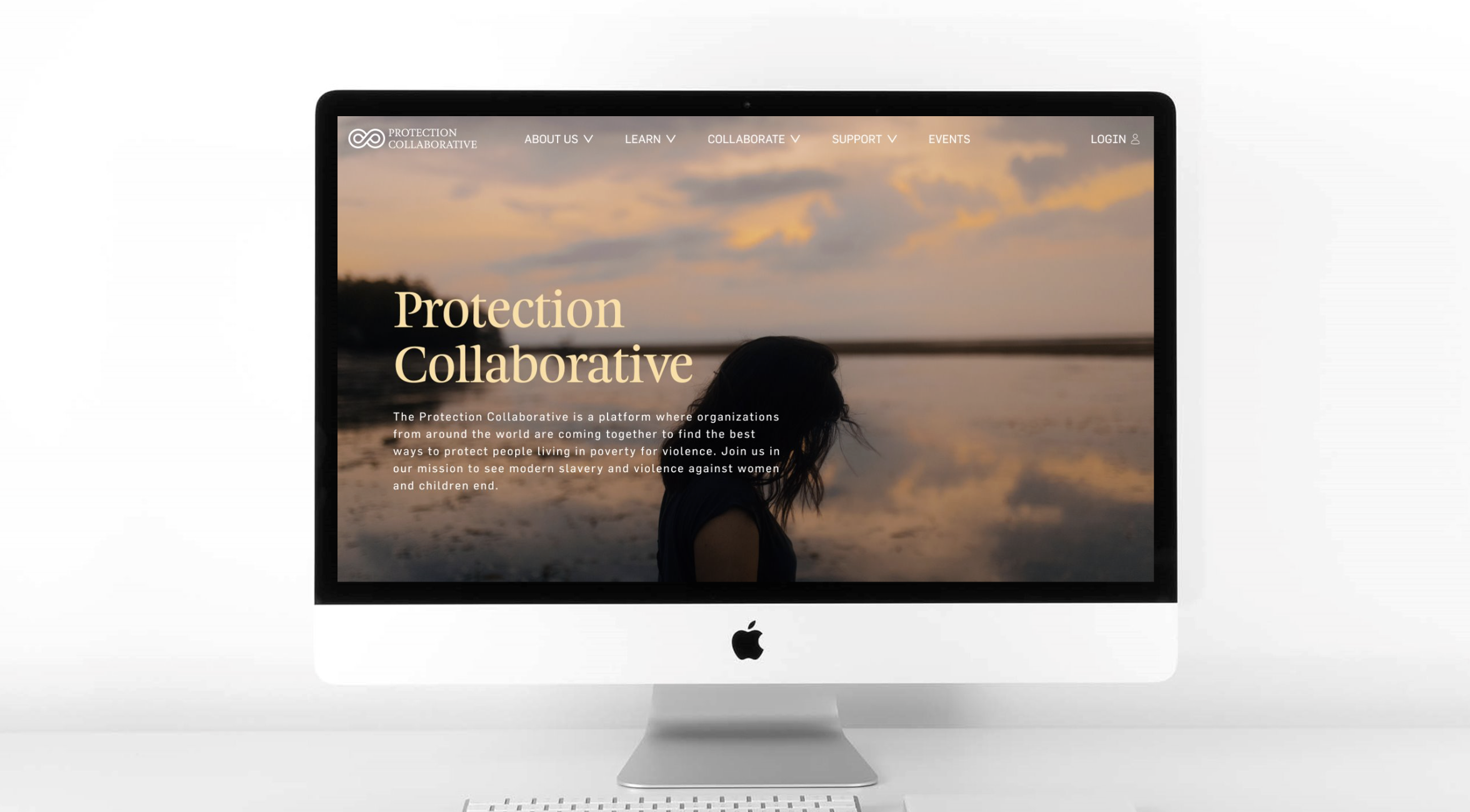
The lobby of Protection Collaborative is a website – that the login to the data management system sits on – with freely available tools and resources (like the Protection Model) that partners have found to be helpful and want to share so that other organizations also benefit and people are protected faster.
December 2024
Case Management
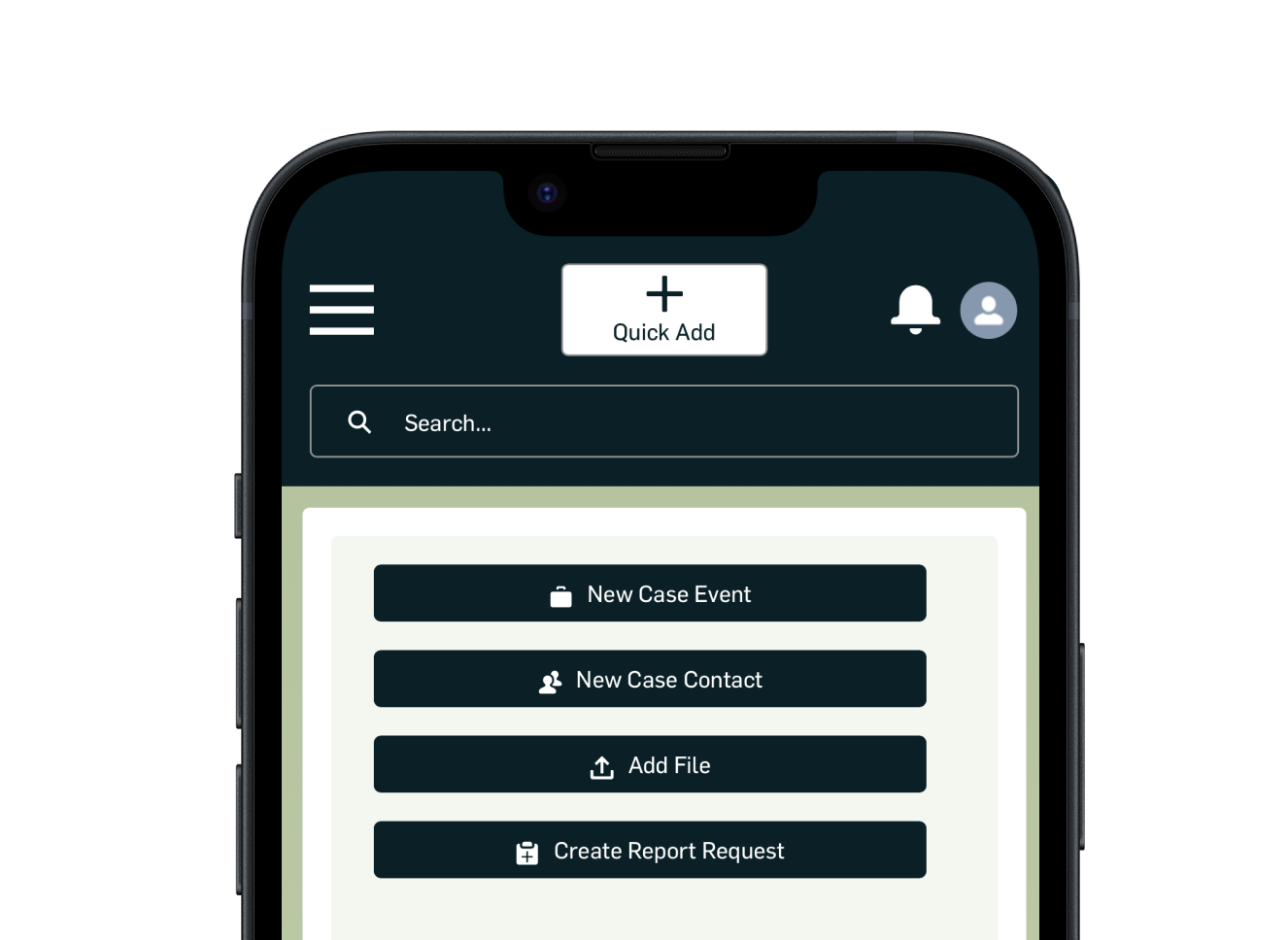
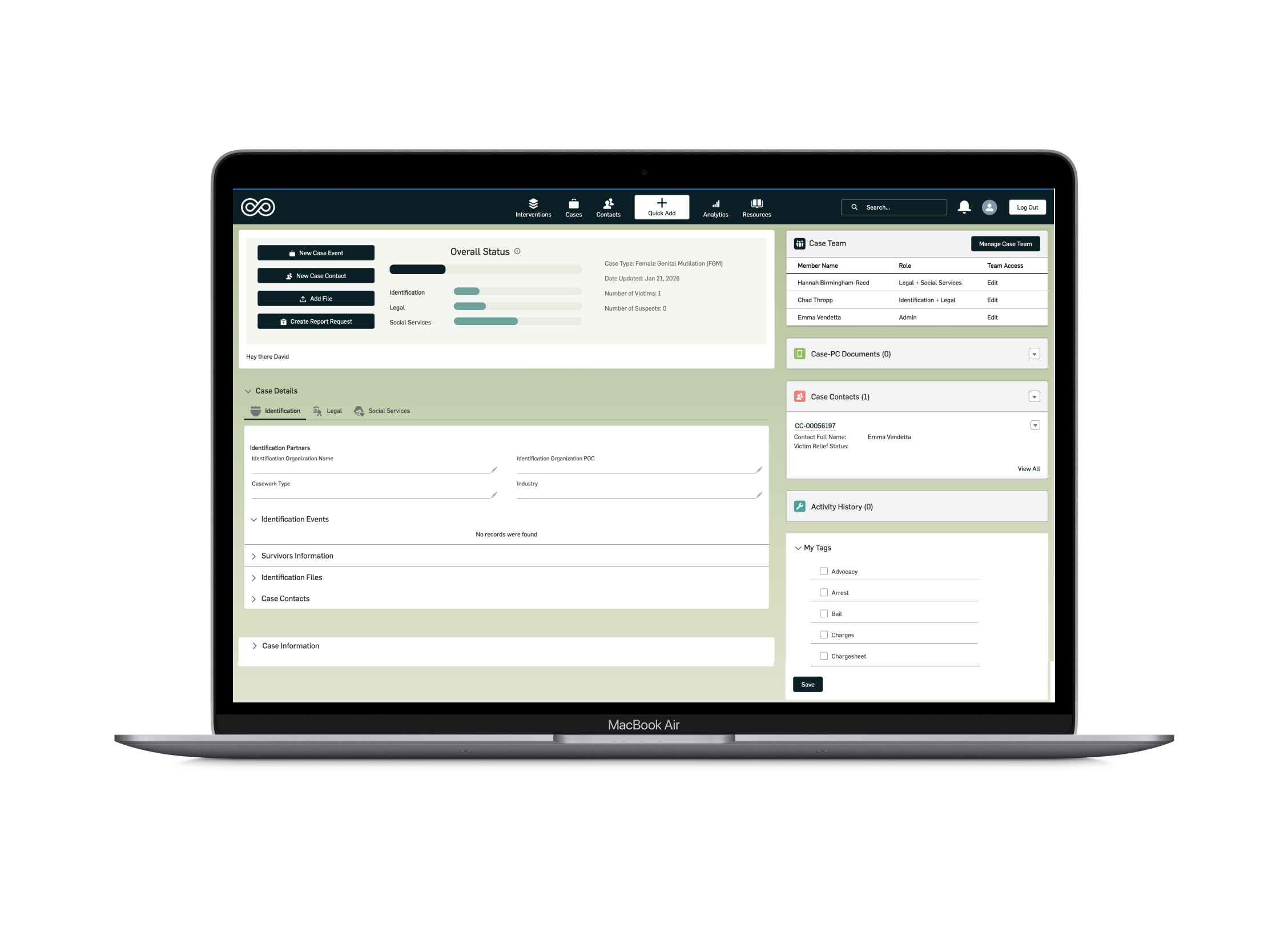
Protection Collaborative is a platform to make collaboration and data sharing easier and more effective between partners fighting injustice and violence.
Protection Collaborative was developed to deliver straightforward and simple solutions for partners to collaborate and share data. Each of us – with our individual strengths – are needed to protect people in poverty from violence, including slavery and violence against women and children.
Protection Collaborative was co-designed with Partners and will continue to be refined over time with Partners. We are grateful the system was designed with so many Partners and really appreciate the strengths and perspectives that so many Partners contributed to the design of Protection Collaborative. This is only the beginning. Protection Collaborative is taking an iterative approach and will continue to work with Partners to make the platform (and partnerships) even more straightforward and simple over time!
April 2025
November 2025
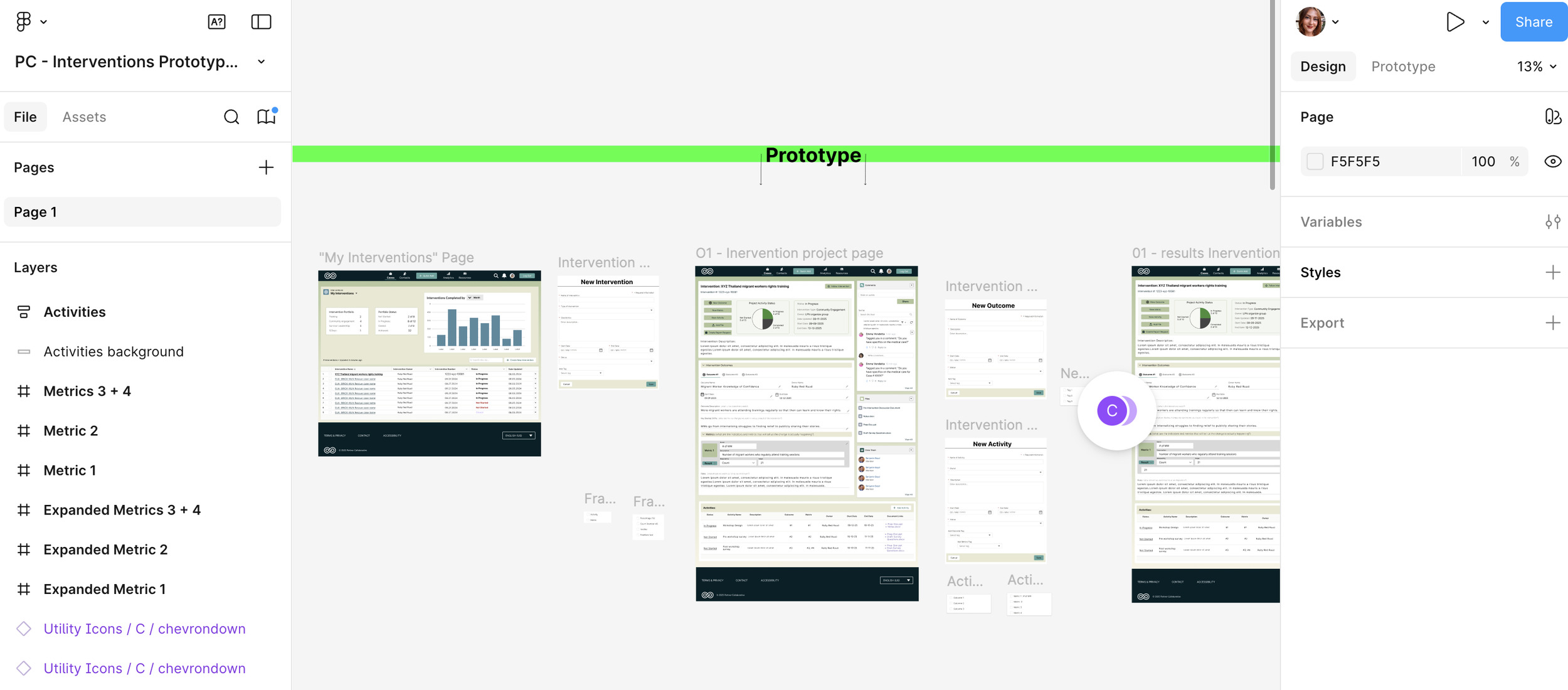
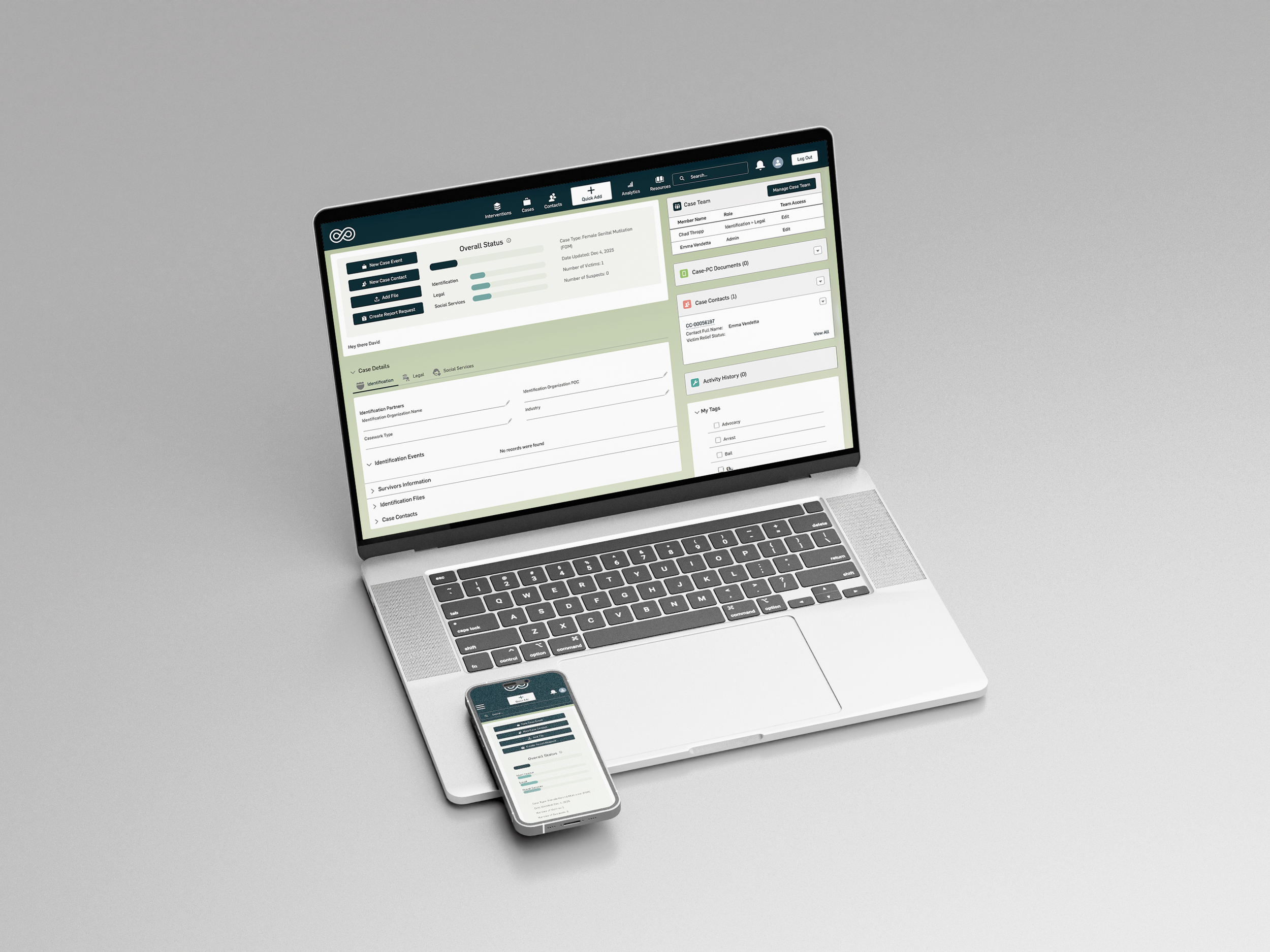
Intervention Tracking, Partner-to-Partner Collaboration, and Translation
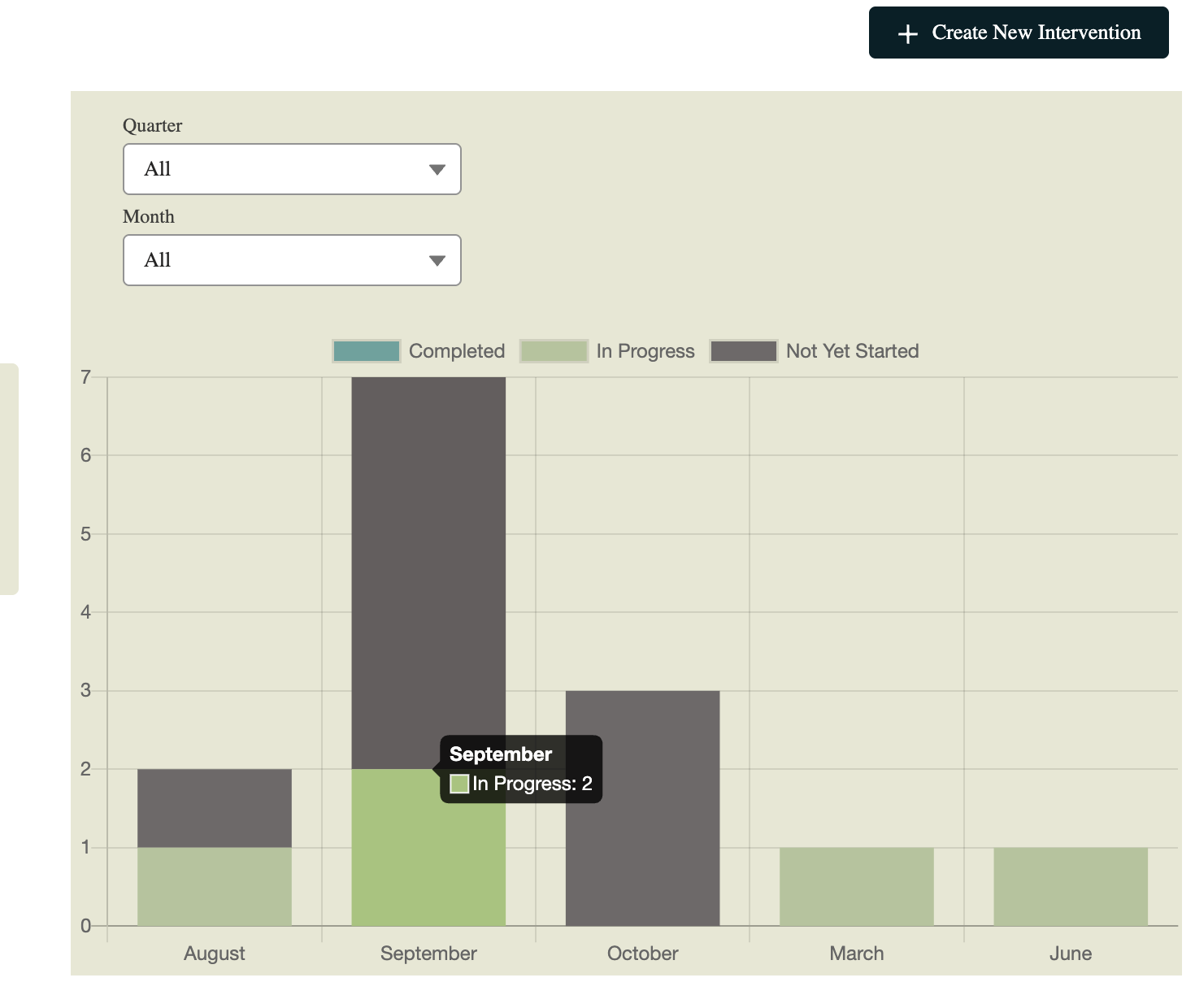
Track Your Interventions
You can now track Interventions across the entire Protection Model, giving you a clear view of progress and impact from start to finish. This feature helps us work together more effectively, replicate success, and strengthen justice systems.
Collaborate on Interventions
You can now collaborate with other approved partners directly on interventions. This feature makes it easier to share insights, coordinate actions, and amplify impact together, in a safe and secure way.
Work in Different Languages
The platform can now be translated into Hindi, Telugu, and Spanish, with more languages coming soon. This ensures accessibility and ease of use for diverse teams and communities.
Get Help Faster
Finding answers is easier than ever. Our refreshed Help & Support page offers clear guidance and resources to help you make the most of the platform.
Why It Matters
Every intervention counts. By tracking them in one place, we unlock insights that help protect communities and drive lasting change.
Results
Protection Collaborative is live and is currently available by invitation only.